Greensboro beings in a sweet spot for gardening. Our winters are short, summers are long and damp, and the growing season stretches from mid March to early November in the majority of years. That gives you time to develop a pollinator haven that feeds native bees, butterflies, hoverflies, moths, and hummingbirds from spring through frost. It also indicates you need to plan around clay soils, hot spells, flash rainstorms, and the periodic late freeze. With the right plant mix and some useful options, a yard in Greensboro can buzz with life and still look tidy adequate to satisfy the neighbors.
Why pollinator gardening settles here
A healthy pollinator garden is more than a quite border. It anchors the food web. Native bees, not simply honey bees, pollinate a surprising share of yard vegetables and fruit crops. Squash bees assist with zucchini. Little sweat bees check out peppers and tomatoes. Carpenter bees, in spite of their reputation, are exceptional pollinators of passionflower and redbud. Monarchs go through the Triad on spring and fall migrations and require milkweed waystations. Even at a home scale, a couple of hundred square feet planted with the best flowers can support countless pollinator gos to over a single season.
The advantages spill over. More pollinators typically mean better fruit set on blueberries and blackberries, steadier production in a kitchen garden, and more birds as seed and insect populations increase. Thoughtful landscaping that leans native also rides out dry spells much better and needs less fertilizer, which saves money and time.
Read your website like a landscaper
Before you buy a single plant, scout your backyard at 3 times of day for a week: morning, midafternoon, and sunset. Note where the sun lands and for how long. Greensboro's heat index can worry even complete sun plants on reflective driveways or south facing walls, so an area with six hours of sun and afternoon shade frequently outperforms all day exposure.
Soil in Guilford County tends to be red clay. It holds nutrients well however drains pipes gradually. Test a few spots with a shovel after a heavy rain. If water stands in the hole after 24 hours, select species that tolerate damp feet or enhance drain with raised beds. I have retrofitted many yards by mounding soil eight to ten inches and mixing compost into the leading six inches. It's simple and it works.
Wind rarely dominates here, but open corners can dry leaves and flowers. Use shrubs as soft windbreaks instead of fences that funnel gusts. Lastly, map watering reach if you depend on pipes. You desire water to be simple, or you will not maintain during August dry spells.

Aim for a constant flower, not a one month show
Most pollinator gardens stop working silently in midsummer. They appear in May and June, then abate by late July. Pollinators follow nectar and pollen, so plan a relay. In this climate, a strong calendar appears like this in prose, not as a rigid list:
Start the year with redbud, serviceberry, and wild columbine. These carry queen bumble bees and early mason bees when nights can still flirt with frost. Shift into core prairie stalwarts for summer strength: purple coneflower, black eyed Susan, bee balm, and mountain mint. Keep the baton moving with summer season to fall powerhouses like joe pye weed, blazing star, swamp milkweed, narrowleaf mountain mint, and goldenrods. Close the season with blue mistflower and aromatic aster, which feed migrating queens and construct fat reserves in bees before winter.
When I style for customers who want neat beds, I thread in decorative grasses for structure. Little bluestem and grassy field dropseed hold up in heat, frame the flowers, and feed skipper butterflies.
Native plants that make their area in Greensboro
You don't need a purist's meadow to make a difference, though the more native, the much better the eco-friendly reward. The following plants have carried out regularly across areas from Fisher Park to Adams Farm, even in compressed soils once a landscaper loosens the leading layer. Group them in drifts of 3 to 7 for much easier foraging and a cleaner look.
Spring anchors: redbud (Cercis canadensis) for early pollen and color. Eastern columbine (Aquilegia canadensis), which hummingbirds will discover within days. Wild blue phlox (Phlox divaricata) for dappled shade. Spiderwort (Tradescantia virginiana), hard as nails in clay.
Summer workhorses: purple coneflower (Echinacea purpurea) that holds up in sun. Black eyed Susan (Rudbeckia fulgida) that flowers for weeks. Bee balm (Monarda didyma) which feeds bees and hummingbirds, though it appreciates air flow to prevent mildew. Narrowleaf mountain mint (Pycnanthemum tenuifolium) that hums with small pollinators from July on and remains upright without staking. Blazing star (Liatris spicata for wet areas, Liatris microcephala for leaner soils) to draw swallowtails and monarchs like magnets.
Late season foundation: joe pye weed (Eutrochium purpureum) for damp ground or Eutrochium dubium for smaller areas. Blue mistflower (Conoclinium coelestinum) that spreads out, so offer it a boundary. New England aster (Symphyotrichum novae angliae) and fragrant aster (S. oblongifolium) for tidy fall color. Goldenrods, specifically stiff goldenrod (Solidago rigida) or snazzy goldenrod (S. speciosa), which look neat compared to Canada goldenrod.
Milkweed for emperors: typical milkweed can run in rich soil, however overload milkweed (Asclepias incarnata) acts better and likes Greensboro rain garden pockets. Butterfly weed (A. tuberosa) wants heat and drain. Mix 2 species to hedge against weather condition swings.
Shrubs worth the space: summersweet (Clethra alnifolia) is fragrant, shade tolerant, and flowers in late summertime when nectar is limited. Virginia sweetspire (Itea virginica) supports early pollinators and provides fall color. Fothergilla major handles part shade and early spring bees. For berries that feed birds after the bugs, plant American beautyberry (Callicarpa americana).
If you desire a few non locals, pick high value nectar sources like catmint or Salvia 'May Night' as fillers. Use them moderately, then phase in more natives as your self-confidence grows.
Soil preparation and bed building that hold up in heat and downpours
Red clay can be a buddy if you deal with it. I prevent deep tilling due to the fact that it collapses soil structure and stirs up dormant weeds. Instead, loosen the top six to eight inches with a digging fork. Mix in 2 inches of completed compost, ideally leaf mold from your own stack or a reliable supplier. On compacted websites, produce mounded beds that rise 8 inches above grade. These shed water in storms yet retain adequate moisture to ride through August.
Mulch gently. Two inches of shredded hardwood or a thin layer of pine straw reduces weeds without smothering bee ground nests. Leave a few bare patches of mineral soil the size of a pizza pan, tucked near the back of a bed, for ground nesting bees. If the bed touches a foundation or a sidewalk, utilize a clean edge spade or steel edging for a crisp line. I've found that crisp lines make wild plantings feel deliberate, which helps in communities with HOA guidelines.
If you plan drip irrigation, run half inch main line with quarter inch emitters looped around plant groups rather than individual taps. Pollinator beds seldom need the precision of veggie rows. A simple timer at the hose bib goes a long method throughout dry weeks.
Watering, fertilizer, and the Greensboro summer
New perennials need consistent wetness for their first season. In Greensboro heat, the root ball dries faster than surrounding soil. Check with your fingers at 2 inches depth. If it feels dry, soak. A normal schedule is every three to four days for the very first month, then weekly through September, adjusted for rain. After facility, many locals prefer deep, irregular watering.
Skip heavy fertilizer. Compost at planting, then leading gown with half an inch each spring. Overfed plants push rich development that flops and welcomes mildew. Bee balm and monarda are specifically prone in humid summertimes. Prune them by a third in early June to motivate branching and air flow. It's called the Chelsea slice in gardening circles and it works well here.
Pesticides and how to prevent damaging the insects you invited
If you utilize lawn or shrub services, read the fine print. Systemic insecticides like neonicotinoids can persist in plant tissues and render nectar toxic. Ask for pollinator safe programs or switch suppliers. Aphids on milkweed are unpleasant however rarely hazardous. A hard spray from a tube and a light touch of insecticidal soap on severe clusters beats any systemic. Tolerate a little leaf damage as a sign that your garden feeds someone.
Mosquito treatments are tricky. Fogging can kill non target pests. Concentrate on source control, not sprays. Empty dishes and containers after rain, run pumps in birdbaths and water functions, and introduce mosquito dunks in covert catch basins where water stands. If a next-door neighbor fogs, anchor your highest value beds upwind and include shrub layers as a buffer.
Layering for habitat, not just color
Pollinators use structure as much as nectar. Layering creates microclimates that keep activity going on hot afternoons. I like to start with a loose foundation of shrubs and small trees, then thread perennials in front. Redbud under a tall pine, with summersweet and oakleaf hydrangea underneath, then coneflower, mountain mint, and asters at the edge. This creates morning sun and afternoon shade, which extends blossom durability and reduces stress.
Leave stems over winter. Hollow stems of coneflower and joe pye weed host solitary bees. Cut them in early spring to knee height and leave the stubble. New development hides it by May. If you need cleanliness, bundle stems and tuck them behind shrubs rather than transporting them all to the curb.
Deadwood matters too. A brief, sun warmed log, half buried at the edge of a bed, ends up being environment for beetles and mason bees. In tight lots, a pocket log the length of your lower arm works without drawing attention.
A Greensboro evaluated planting prepare for a 12 by 18 foot bed
A manageable starter bed can be tucked along a warm fence or driveway. Here's a framework that has actually made it through a string of hot summers and drenched springs.
Back row, 3 to four feet from the fence, plant three joe pye weed (Eutrochium dubium) spaced three feet apart. Between them, alternate three swamp milkweed. This repeats mauve and pink throughout summertime and early fall and gives queens both nectar and host in one sweep.
Middle row, stagger 6 purple coneflower, 4 mountain mint, and 4 blazing star. Location mountain mint near the bed's entry where you can hear it buzz. Thread blazing star as vertical accents that fire in midsummer, then fade into seed heads birds will pick.
Front row, five butterfly weed, 3 fragrant aster, and two blue mistflower anchored at the corners. The butterfly weed sets the orange spark in June. Fragrant aster stitches the border back together in October. Blue mistflower will want to spread out. Rein it by edging twice a year.
Tuck 3 clumps of little bluestem as vertical commas, one in each third of the bed. The turf adds winter season structure and feeds skipper larvae. Include a Virginia sweetspire at one end as a visual stop and for spring bloom.
Use a two inch mulch at establishment. Water weekly up until Labor Day. By year two, you'll see a rhythm of bees in the morning, butterflies midday, and moths and hummingbirds at dusk.
Balancing neatness and wild energy
Neighbors frequently endure a wilder bed when it has a clear frame. Keep yard edges tidy, paths swept, and plant tags eliminated as soon as you ensure IDs. Repeat colors across the bed for cohesion. Purple and orange can clash if scattered. In little backyards, pick a combination and persevere. The bugs won't care, but your eyes will.
If your HOA is stringent, develop a low border of native sedges like Carex pensylvanica or a line of dwarf inkberry holly. Include a sign that reads "Pollinator Environment" and cite a regional program if possible. Easy indications alter how individuals read the landscape. I have actually watched passersby step closer and https://penzu.com/p/df84fa1843fc5fae smile when they realize the buzzing is intentional.
Working with local resources and services
Greensboro take advantage of a durable network of plant sales, nurseries, and cooperative extension support. The Guilford County Extension often lists local sales where you can purchase regionally sourced locals. Regional growers tend to carry better adapted choices, which matters when summer heat lingers near 90 degrees for days.
If you hire help, try to find landscaping groups that comprehend native plant maintenance and can speak plainly about pesticide usage. Ask to call three late season locals without taking a look at a phone. If they point out mountain mint or asters without doubt, you're on the right track. Companies experienced in landscaping Greensboro NC understand the particular headache of red clay and afternoon thunderstorms and will plant accordingly, frequently mounding beds and adjusting watering emitters for slope.
Rain, slopes, and small rain gardens
Greensboro storms can dump an inch or more in an hour. A small rain garden catches roof or driveway runoff, slows it, and turns a soggy corner into a nectar bar. Choose an area that gets downspout water, a minimum of 10 feet from the structure. Dig a shallow basin, maybe 10 by 6 feet and six to 8 inches deep, depending on soil seepage. Fill with a mix of existing soil and garden compost, then plant moisture tolerant natives. Swamp milkweed, joe pye weed, blue flag iris, river oats, and New York ironweed grow where water stands quickly then drains.
Edge the basin with stones to keep mulch from drifting and to signal intent. After big storms, rake mulch back into location. In the 2nd year, roots knit together and the bed holds firm.
Dealing with pests and illness, the low drama way
Powdery mildew shows up on monarda and phlox during damp stretches. Great spacing and airflow are your finest tools. Water at the base in the morning. If mildew appears, remove the worst leaves and let the plant trip. It seldom eliminates established plants and often vanishes in drier weather.
Deer pressure differs throughout Greensboro. In neighborhoods with woody edges, deer will browse coneflower buds and aster pointers. Mountain mint, goldenrod, and little bluestem are less attractive. For high pressure sites, a low, nearly unnoticeable fishing line fence can secure a bed until plants bulk up. Hang a few intense ribbons at human eye level so you remember it's there.
Rabbits nibble seedling milkweed and asters. A brief row cover or cloche during the first few weeks helps, then eliminate it so pollinators can access blossoms. I've likewise had great results with tight plant spacing so grazers proceed quickly.
Maintenance through the seasons
In late winter season, around early March, cut back seasonal stems to knee height. Scatter the trimmings in a loose stack at the back of the bed to enable any overwintering insects to emerge when they're all set. Pull or smother winter season yearly weeds before they set seed. Layer a half inch of compost on exposed soil and top with a thin mulch refresh if needed.
As spring warms, pinch back high growers as soon as to encourage branching. Keep a weeding knife handy for opportunistic bermuda grass that sneaks in from the yard. Edge two times a year. Deadhead coneflower lightly if you want a tidier appearance, or let the seed heads feed finches.
By summer, most of your work is observation and watering during droughts. Keep in mind which plants draw the most visitors and plan to repeat them. Take images month-to-month to see gaps in bloom. In fall, let seed heads stand, then plant any additions while the soil is warm and damp. Greensboro autumns are long and mild, ideal for rooting in brand-new perennials.
Small yards, huge impact
Townhomes and cottages with pocket lawns can still host severe pollinator action. A six by 8 bed with butterfly weed, mountain mint, blue mistflower, and aromatic aster will pulse with life from June through October. Include a little water function, even a shallow saucer with pebbles revitalized daily, and you'll see twice the activity. Group pots tightly on a patio area and fill them with dwarf choices of locals if ground planting is limited. Overload milkweed grows well in big containers so long as it gets constant water.

Window boxes can carry spring and late season nectar. Plant dwarf agastache with low growing sedges for texture. Keep pesticide use off anything that might flower. A little discipline on a balcony can equal a vast lawn for pollinator support.
A short, practical checklist
- Map sun and shade at three times of day for a week before planting. Prepare soil by loosening and including 2 inches of compost, then mound beds where drainage lags. Choose natives that stagger flower from March to November, with at least 2 milkweed species. Water new plants deeply for the first season, then taper to weather based irrigation. Skip systemics, leave some stems and bare soil for nesting, and edge beds for a tidy frame.
What success appears like in year two and beyond
By the second season, you must hear the garden as much as see it. Bumble bees will track an early morning path, beginning on mountain mint, slipping to coneflower, then stopping briefly on joe pye. Swallowtails will patrol in the heat, especially around blazing star and zinnias if you tucked a few in. Monarchs will circle milkweed and lay eggs if you have actually kept the plants pesticide complimentary. In September, the garden's energy tilts towards asters and goldenrod, and you'll observe a lift in activity on warm afternoons as migrants fuel up.
A mature pollinator garden isn't static. Plants shift, a blue mistflower spot edges forward, a coneflower clump tires after a few years. Embrace minor edits. Move a piece in fall, divide an energetic clump, include a brand-new aster or goldenrod if the late season feels thin. The goal is a living neighborhood that bends with Greensboro's weather.
If you ever feel stuck, walk the native beds at the Greensboro Arboretum or Bog Garden in late summertime. Note what's blooming and buzzing, then bring that mix home at a smaller scale. Great landscaping borrows from what already thrives, and landscaping in Greensboro NC has a deep well of proven entertainers to draw from. With constant attention to flower continuity, soil preparation, and gentle maintenance, any lawn here can become a reliable stopover for the pollinators that hold the whole system together.
Business Name: Ramirez Landscaping & Lighting LLC
Address: Greensboro, NC
Phone: (336) 900-2727
Website: https://www.ramirezlandl.com/
Email: [email protected]
Hours:
Sunday: Closed
Monday: 8:00 AM–5:00 PM
Tuesday: 8:00 AM–5:00 PM
Wednesday: 8:00 AM–5:00 PM
Thursday: 8:00 AM–5:00 PM
Friday: 8:00 AM–5:00 PM
Saturday: 8:00 AM–5:00 PM
Google Maps: https://www.google.com/maps/search/?api=1&query=Google&query_place_id=ChIJ1weFau0bU4gRWAp8MF_OMCQ
Map Embed (iframe):
Social Profiles:
Facebook
Instagram
Major Listings:
Localo Profile
BBB
Angi
HomeAdvisor
BuildZoom
Ramirez Landscaping & Lighting is a Greensboro, North Carolina landscaping company providing design, installation, and ongoing property care for homes and businesses across the Triad.
Ramirez Landscaping & Lighting offers hardscapes like patios, walkways, retaining walls, and outdoor kitchens to create usable outdoor living space in Greensboro NC and nearby communities.
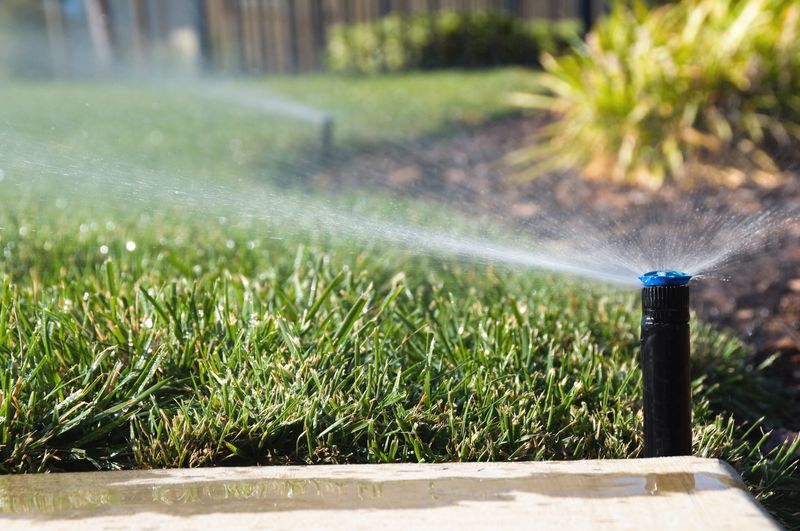
Ramirez Landscaping & Lighting provides irrigation services including sprinkler installation, repairs, and maintenance to support healthier landscapes and improved water efficiency.
Ramirez Landscaping & Lighting specializes in landscape lighting installation and design to improve curb appeal, safety, and nighttime visibility around your property.
Ramirez Landscaping & Lighting serves Greensboro, Oak Ridge, High Point, Brown Summit, Winston Salem, Stokesdale, Summerfield, Jamestown, and Burlington for landscaping projects of many sizes.
Ramirez Landscaping & Lighting can be reached at (336) 900-2727 for estimates and scheduling, and additional details are available via Google Maps.
Ramirez Landscaping & Lighting supports clients with seasonal services like yard cleanups, mulch, sod installation, lawn care, drainage solutions, and artificial turf to keep landscapes looking their best year-round.
Ramirez Landscaping & Lighting is based at 2700 Wildwood Dr, Greensboro, NC 27407-3648 and can be contacted at [email protected] for quotes and questions.
Popular Questions About Ramirez Landscaping & Lighting
What services does Ramirez Landscaping & Lighting provide in Greensboro?
Ramirez Landscaping & Lighting provides landscaping design, installation, and maintenance, plus hardscapes, irrigation services, and landscape lighting for residential and commercial properties in the Greensboro area.
Do you offer free estimates for landscaping projects?
Ramirez Landscaping & Lighting notes that free, no-obligation estimates are available, typically starting with an on-site visit to understand goals, measurements, and scope.
Which Triad areas do you serve besides Greensboro?
Ramirez Landscaping & Lighting serves Greensboro and surrounding Triad communities such as Oak Ridge, High Point, Brown Summit, Winston Salem, Stokesdale, Summerfield, Jamestown, and Burlington.
Can you help with drainage and grading problems in local clay soil?
Yes. Ramirez Landscaping & Lighting highlights solutions that may address common Greensboro-area issues like drainage, compacted soil, and erosion, often pairing grading with landscape and hardscape planning.
Do you install patios, walkways, retaining walls, and other hardscapes?
Ramirez Landscaping & Lighting offers hardscape services that commonly include patios, walkways, retaining walls, steps, and other outdoor living features based on the property’s layout and goals.
Do you handle irrigation installation and repairs?
Ramirez Landscaping & Lighting offers irrigation services that may include sprinkler or drip systems, repairs, and maintenance to help keep landscapes healthier and reduce waste.
What are your business hours?
Ramirez Landscaping & Lighting lists hours as Monday through Saturday from 8:00 AM to 5:00 PM, and closed on Sunday. For holiday or weather-related changes, it’s best to call first.
How do I contact Ramirez Landscaping & Lighting for a quote?
Call (336) 900-2727 or email [email protected]. Website: https://www.ramirezlandl.com/.
Social: Facebook and Instagram.
Ramirez Landscaping proudly serves the Greensboro, NC region with quality landscape lighting solutions tailored to Piedmont weather and soil conditions.
Need outdoor services in Greensboro, NC, call Ramirez Landscaping & Lighting near UNC Greensboro.