Healthy soil is the quiet engine behind every prospering landscape in the Piedmont. When the ground is right, turf recuperates faster after heat, shrubs hold color deeper into fall, and vegetables brush off insects that would otherwise take over. Greensboro's soils can produce that sort of durability, however they need a nudge, and in some cases a complete reset, to arrive. I've worked with red clay that sets like brick in July, sandier pockets along creek passages, and exhausted subdivision lots scraped tidy throughout building. All of them can be improved, and the methods are remarkably useful once you understand what our regional soils want.
Know the Piedmont clay you're standing on
Greensboro rests on Triassic and metamorphic parent material, which gives us iron-rich, fine-textured clay beneath a thin topsoil layer. Left alone under hardwood forest, that leading layer is dark, crumbly, and alive, constructed by decades of leaf litter. In numerous communities, especially where homes went up after the 1990s, that top layer was removed or compacted. The outcome is a surface area that sheds water during storms then bakes hard when dry. Roots defend air, water swimming pools near downspouts, and raw material tests return low, frequently listed below 2 percent. Your task is to rebuild structure and biology, not just "feed" with fertilizer.
A basic touch test informs you a lot. Rub a damp clump between your fingers. If it smears smooth like pottery slip, you've got a heavy clay body. If it breaks down into gritty crumbs, there's more sand. In either case, the path to much better structure begins with carbon from compost and oxygen from aeration.
Start with a soil test, then respect what it says
Skip the uncertainty. A $15 to $25 laboratory analysis deserves a hundred dollars of fertilizer thrown blind. You'll see pH, phosphorus, potassium, calcium, magnesium, and organic matter. In Guilford County, pH typically settles in the 5.0 to 5.8 range on unamended websites, which is a touch acidic for turf and numerous ornamentals. Aim for 6.0 to 6.5 for yards and the majority of shrubs, 5.0 to 5.5 for blueberries, and 6.2 to 6.8 for vegetables. If the test requires lime, it will give a rate, frequently 25 to 50 pounds of pelletized lime per 1,000 square feet to nudge a complete pH point. Split large applications over 2 seasons. Lime works slowly in clay, and more is not much better if you overshoot into the high sevens, where micronutrients lock up.
Pay close attention to phosphorus. Contractors in some cases put down starter fertilizer at seeding, then homeowners keep adding more every spring. On tests, I consistently see phosphorus flagged high while potassium sits low. Too much phosphorus can worry mycorrhizal fungi and motivate algae in runoff. If your P is currently high, pick a zero-phosphorus mix and concentrate on K and organic matter.
Compost is the backbone, however the application method matters
All garden compost is not produced equivalent, and "add more raw material" is too vague to be beneficial. In Greensboro, I see 3 common sources: local yard-waste garden compost, composted manure blends, and premium evaluated compost from landscape suppliers. Local compost is budget friendly and fine for lawns and beds, however it can be salted or immature in some batches. Manure-based composts bring nitrogen and can be outstanding for vegetable beds if totally composted. Evaluated, dark, earthy compost with a steady odor is what you want. Avoid anything that smells sour or ammonia sharp.
Topdressing a lawn with a quarter inch of compost in spring is a practical routine. Figure on about 0.75 cubic lawns per 1,000 square feet. Utilize a broadcast spreader made for garden compost or sling it with a shovel, then drag a mat or the back of a leaf rake to settle it into the canopy. In beds, mix 2 to 3 inches into the top 6 inches during planting or remodelling. If your soil is greatly compressed, go deeper with a one-time mechanical fix before you add compost. Which brings us to structure.
Loosen compaction the ideal way
Clay wants pores, not "more soil." When the pore network collapses, roots stop. Aeration returns air and produces channels for water. For turf locations, core aeration with hollow branches is the workhorse. Make a minimum of two passes in perpendicular directions when the soil is moist but not soggy. Perfect windows are mid to late spring or early fall, when cool nights let grass recover. Leave the plugs on the surface area. They will melt back in with rain and mowing. If you topdress garden compost right away after aeration, those holes capture carbon where microorganisms can utilize it.
For beds with long-term compaction, I like a broadfork or a digging fork to loosen without flipping layers. Push branches deep, rock carefully, move back a foot, repeat. You're constructing vertical cracks that roots and earthworms will expand. Rototillers have their location in newbie veggie plots, but regular tilling in clay smears and produces a hardpan. Usage tillers moderately, and when structure improves, retire them in favor of seasonal broadforking and surface area mulches.
Mulch as armor and food
Mulch protects soil from pounding rain, buffers temperature, and feeds fungis. Hardwood mulch abounds in Greensboro. I prefer double-shredded hardwood or pine fines for a lot of beds. Apply a 2 to 3 inch layer, keep it 3 inches away from trunks, and anticipate to replenish roughly every 18 months as it breaks down. Pine straw works well under azaleas, camellias, and magnolias, where a lighter mat knits together and resists washing on slopes. For edible beds, shredded leaves or straw keep soil cool and foster earthworms.
Watch the color and texture. Jet-black dyed mulches look neat the very first month, but some products are ground pallets that add little nutrition. Concentrate on wood that originated from genuine trunks and limbs. In time, a constant mulch program is among the stealthiest methods to raise organic matter, especially when coupled with leaf litter delegated disintegrate in place each fall.
Feed biology, not just plants
If soil life is active, plants can use nutrients more effectively. Greensboro's clay holds nutrients well, however biology activates them. Garden compost tea gets a great deal of buzz, and I've seen combined results. A well-crafted aerated tea applied to leaves and soil can tip the balance in stressed beds, however quality control is challenging. I get more trusted gains from simple practices that do not need unique equipment.
Plant roots radiate sugars that feed microbes. That suggests living roots year-round build the microbiome in ways fertilizer can not. In veggie plots, sow a fall cover after the last harvest. In decorative beds, interplant groundcovers under shrubs so the soil is seldom bare. In lawns, cut tall, return clippings, and prevent overuse of artificial nitrogen, which can press leading growth at the expense of root-microbe partnerships.
If you want a targeted biological addition, usage mycorrhizal inoculant at planting for trees and shrubs. The research is greatest where soils are disrupted or sterilized. Dust the root ball, water in, and include a mulch ring. The fungal network helps with phosphorus uptake and drought tolerance, which pays off during August heat.
Choose plants that cooperate with our soil
Improving soil is easier when plants deal with you. Some species endure much heavier clay and periodic dampness, then return the favor by punching roots deep and adding litter. River birch, black gum, and bald cypress manage low spots. For smaller sized areas, inkberry holly and winterberry accept wet feet. On slopes or warm front yards, yaupon holly, oakleaf hydrangea, switchgrass, and little bluestem settle in with very little difficulty as soon as developed. These options are not simply "native for native's sake." Their root architecture opens channels, and their leaf drop constructs a slow mulch.
For yards, tall fescue guidelines in Greensboro. It likes a pH near 6.2 to 6.5 and requires fall overseeding to thicken the stand. Bermuda flourishes completely sun and heat, however it hates shade and can get into beds. Zoysia offers a middle road for warm lots with moderate traffic, though spring green-up is slower. Each turf type has its own feeding rhythm. Soil health enhances fastest when you feed lightly and consistently rather than blasting with a single high-nitrogen dose.
Water with the soil in mind
Clay holds water, then sheds it when sealed on top. The technique is to wet deeply, then let the surface area breathe. Repaired schedules are less useful than a probe and a habit. Push a long screwdriver into the ground. If it resists after 2 to 3 inches, the profile is dry. If it slides quickly to 6 inches, skip a day. For yards in summer season, aim for approximately 1 inch of water per week, consisting of rain, provided in two deep sessions rather than 4 shallow sprays. Early morning reduces evaporation and illness pressure.
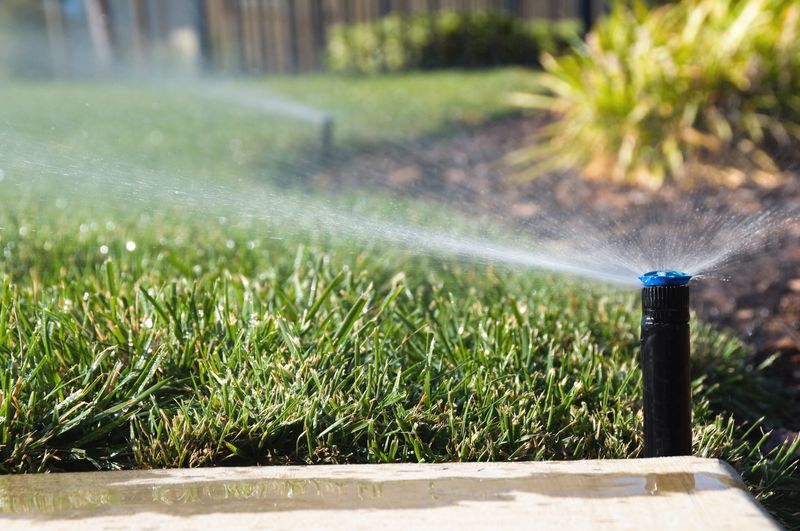
New plantings need more regular attention. For a 3-gallon shrub, intend on a sluggish soak of 2 to 3 gallons every 3rd day for the first two weeks, then weekly as roots extend. Constantly water the root zone, not the foliage. Drip lines or a basic ring basin dug around the plant base make it easy.
Hardscapes can assist too. If overflow from a driveway cuts a channel through a bed, you are losing topsoil and nutrients. A shallow swale lined with river rock, a rain garden in a low corner, or a strip of turf diverted to a mulched basin slows the rush and gives soil time to drink. In neighborhoods focused on landscaping greensboro nc alternatives, small hydrology fixes like this often yield larger gains than another round of fertilizer.
Manage pH and nutrients with a light hand
Overcorrection prevails. A soil test might advise 40 pounds of lime per 1,000 square feet. If you discard it all at the same time, granules can crust and the surface area pH spikes while much deeper layers stay acidic. Split big rates into fall and spring, water in after each application, then retest in 12 months. For nitrogen, many fescue lawns do well with 1 to 2 pounds of nitrogen per 1,000 square feet spread across fall and early spring. Excessive nitrogen softens tissue and invites brown patch. Organic sources like plume meal or slow-release synthetic blends smooth the curve.
Potassium matters more than most house owners believe. It reinforces cell walls, improves cold tolerance, and supports disease resistance. If your K level is low, a 0-0-60 sulfate of potash can correct it quickly, however it's potent. Follow rates exactly and water in. For beds, compost and greensand construct K more gently over time.
Micronutrients show up as leaf chlorosis or pale new growth. In clay with high pH, iron can secure. Before you reach for chelated iron, ask whether you limed too strongly. Lower the pH back into the 6s and the symptom may deal with. Foliar feeds can rescue a plant in the short term, however the soil setting is the long-lasting fix.
Cover crops and green manures for home gardens
In vegetable plots or open planting beds, cover crops are the most inexpensive soil home builders you can grow. After the last tomatoes, rake a seedbed and broadcast a fall mix. Cereal rye and crimson clover are a reputable set here. Rye drills roots down, breaking compaction over winter. Clover repairs nitrogen and flowers early for pollinators. In late April, trim or crimp before complete seed set, let it wilt, then plant through the residue or include lightly with a broadfork. Anticipate a softer, darker tilth and less spring weeds.
For summer fallow, buckwheat fills spaces. It sprouts in days, shades soil, and blossoms in three to 4 weeks. Bees like it. Turn it under before it drops seed and you've included a fast pulse of organic matter. If you choose a no-till technique, slice and drop on the surface, then mulch.
Composting in the house that really fits a busy schedule
Sending leaves and cooking area scraps to the curb is a missed opportunity. A little bin near the back fence can handle a home's vegetable peels, coffee grounds, and fall leaves. You don't require a best carbon-to-nitrogen ratio chart taped to the cover. Keep it easy: layer 2 parts brown (dry leaves, shredded paper, straw) with one part green (kitchen area scraps, fresh grass clippings), keep it as damp as a wrung-out sponge, and turn it when you keep in mind. In Greensboro's environment, a bin began in October frequently yields functional compost by April. If rodents concern you, utilize a closed tumbler and prevent meat and oily foods.
For tree-heavy yards, leaf mold is the lazy gardener's gold. Rake leaves into a low wire ring in a shady corner, damp them once, then disregard them. In 9 to twelve months, the pile collapses into dark flakes that hold wetness like a sponge and spread wonderfully as a bed mulch.
Erosion control for sloped lots
Greensboro's rolling topography suggests numerous backyards slope toward the street or a yard creek. Bare clay on a slope stops working quick in a thunderstorm. Stabilize quickly. A quick cover of wheat straw after seeding fescue in fall makes a big difference. For developed beds, embed a groundcover matrix under shrubs. I utilize a mix of mondo lawn in shade, sneaking phlox on bright banks, and prostrate juniper where deer pressure is high. If water is cutting a specified channel, hardscape lightly with stepping stones or spaced check-dams of river rock that slow the flow without producing ankle-twisters.
Coir logs at the toe of a slope purchase you time to plant. They break down in a couple of years, by which point roots have actually taken control of the task. Resist the urge to sheet mulch with plastic material. It stops weeds for one season, then drifts, tears, and traps soil. A living cover gets the job done much better and enhances soil while it works.
Pests, disease, and the soil connection
Most illness issues in landscapes trace back to stress, and stressed roots start with poor soil. In fescue, brown spot flares when nitrogen is high, nights are warm, and air doesn't move. You can spray a fungicide, or you can nudge the system. Aerate and topdress to increase air exchange, raise the mower a notch, and feed in fall instead of late spring. In beds, voles follow soft tunnels under continuous mulch right up to the base of tender shrubs. Interrupt their highway with gravel mulch rings around vulnerable plants or utilize a coarser wood mulch and prevent burying the crown.
.jpg)
For vegetable gardens, a balanced soil with regular natural inputs hosts more beneficials that hold pests in check. Squash vine borer will still show up, but plants fed by living soil rebound faster. When you need to reach for a pesticide, pick targeted products and use in the evening when pollinators are non-active. Healthy soil https://beckettpmbo885.almoheet-travel.com/greensboro-nc-landscaping-trends-homeowners-love-in-2025 helps plants grow out of minor damage and reduces how often you require to intervene.
A useful seasonal rhythm for Greensboro
Soil work fits best on a calendar. The exact dates shift with weather condition, however this cadence works for a lot of backyards here.
- Late winter season to early spring: Soil test if it has actually been more than two years. Spread lime only if the results require it. Core aerate grass if the lawn is thin and you missed out on fall. Topdress yards with a light compost layer. Prune summer-blooming shrubs, then mulch beds before weeds pop. Late spring to early summer season: Add slow-release nitrogen to fescue lightly if required before heat gets here. Install drip lines in new beds. Plant buckwheat in open veggie areas you will not plant for four weeks. Check watering coverage while temperatures rise. Late summer to early fall: Core aerate fescue. Overseed at 4 to 6 pounds per 1,000 square feet. Topdress with garden compost again. Apply potassium if the soil test recommended it. Plant woody shrubs and trees as nights cool. This is prime time for root growth. Mid fall: Plant rye and crimson clover in veggie beds you are putting to sleep. Mulch leaves into yards with a mower or rake into beds as a natural mulch. If your pH needs a nudge, apply the fall half of your lime rate. Winter: Rest the soil. Keep beds mulched. Clean mower blades so spring cuts are clean. Strategy any grading fixes or rain garden installations while plants are inactive and the ground is visible.
When to bring in help
Some projects are better with a pro. If your yard sits on hardpan and floods after every shower, a landscaping specialist with a soil probe can verify the depth of the issue and run a core aerator or perhaps a deep tine device that reaches further than property owner models. For high banks where erosion threatens a fence or neighbor's lawn, expert grading and a correctly engineered swale or dry creek bed avoid headaches. If you need to import topsoil, a local supplier who knows Greensboro's pits can steer you far from over-sandy fill. Avoid blends offered as "topsoil" that are just evaluated subsoil with a sprinkle of garden compost. Request for a mix with a minimum of 20 to 30 percent natural element by volume for bed building.
If you are searching for landscaping greensboro nc services focused on soil, ask pointed concerns. What's their method to compaction? Do they core aerate before topdressing? Which compost sources do they utilize, and do they check them? A great team will discuss texture, infiltration, and biology, not just fertilizer brands.
Real-world examples from local yards
A North Buffalo yard with heavy shade and bare spots looked doomed for turf. We shifted the objective. Fescue was overseeded in the 2 sunniest spots, then a clover-fescue mix went into the dappled zone. Under the maples, we broadforked, included 2 inches of compost, and planted a matrix of ferns, carex, and hellebores. The property owner mulches leaves into the yard each fall and lets them lie under the trees. 2 seasons later on, soil tests revealed raw material up from 1.8 to 3.2 percent, and runoff into the alley disappeared.
On a new build in eastern Greensboro, the front lawn shed water like a sheet of glass. We ran a core aerator in two instructions, applied a quarter inch of compost, and set up 2 10-by-3-foot rain gardens at downspouts with a base layer of sand and garden compost over a shallow gravel sump. Plantings consisted of soft rush, blue flag iris, and joe pye weed. After the very first summer season, the homeowner observed fewer puddles, and the grass between the gardens remained green two weeks longer into August without extra irrigation.
A veggie garden enthusiast near Country Park struggled with split clay and blossom end rot on tomatoes. We evaluated the soil, added 15 pounds of gypsum per 100 square feet to improve calcium without shifting pH, broadforked to 8 inches, and planted a fall rye-crimson clover cover. In spring, we trimmed the cover, included an inch of leaf mold, and planted through. Fruit quality improved, and the shovel test went from a wrist-jarring slam to a constant push in one year.
Common mistakes worth avoiding
Overtilling the exact same bed every spring pulverizes structure. If you must blend in compost, do it as soon as, then change to emerge mulches and gentle loosening. Piling mulch against trunks welcomes rot and voles. Keep a noticeable root flare. Going after green color with high-nitrogen fertilizer in June might look great for 2 weeks, then illness reclaims the gains. Feed when roots wish to grow, mainly in fall. Lastly, presuming Greensboro soils are "bad" locks you into a defeatist loop. They are different, sticky, and strong-willed, once you work with their nature, they hold water much better than sand and grow deep-rooted, drought-resilient plants.
Putting it all together
Improving soil health is less about one brave weekend and more about a set of stable routines. Test and change pH when data says so. Open the soil with air, not just tools. Feed with compost and cover crops, then let roots and fungi do peaceful work beneath your feet. Choose plants with the best cravings for clay and the ideal tolerance for humidity. Water deeply, then leave the surface area to breathe. Guard the ground with mulch that decomposes into food. These are the same concepts that guide thoughtful landscaping in Greensboro, NC, whether you tend a quarter-acre lawn, a shaded cottage garden, or a string of raised beds by the back deck. After a year of this technique, you'll discover less weeds, simpler digging, and sturdier plants. After 3, you'll wonder why you ever combated the soil rather of teaching it to deal with you.
Business Name: Ramirez Landscaping & Lighting LLC
Address: Greensboro, NC
Phone: (336) 900-2727
Website: https://www.ramirezlandl.com/
Email: [email protected]
Hours:
Sunday: Closed
Monday: 8:00 AM–5:00 PM
Tuesday: 8:00 AM–5:00 PM
Wednesday: 8:00 AM–5:00 PM
Thursday: 8:00 AM–5:00 PM
Friday: 8:00 AM–5:00 PM
Saturday: 8:00 AM–5:00 PM
Google Maps: https://www.google.com/maps/search/?api=1&query=Google&query_place_id=ChIJ1weFau0bU4gRWAp8MF_OMCQ
Map Embed (iframe):
Social Profiles:
Facebook
Instagram
Major Listings:
Localo Profile
BBB
Angi
HomeAdvisor
BuildZoom
Ramirez Landscaping & Lighting is a Greensboro, North Carolina landscaping company providing design, installation, and ongoing property care for homes and businesses across the Triad.
Ramirez Landscaping & Lighting offers hardscapes like patios, walkways, retaining walls, and outdoor kitchens to create usable outdoor living space in Greensboro NC and nearby communities.
Ramirez Landscaping & Lighting provides irrigation services including sprinkler installation, repairs, and maintenance to support healthier landscapes and improved water efficiency.
Ramirez Landscaping & Lighting specializes in landscape lighting installation and design to improve curb appeal, safety, and nighttime visibility around your property.
Ramirez Landscaping & Lighting serves Greensboro, Oak Ridge, High Point, Brown Summit, Winston Salem, Stokesdale, Summerfield, Jamestown, and Burlington for landscaping projects of many sizes.
Ramirez Landscaping & Lighting can be reached at (336) 900-2727 for estimates and scheduling, and additional details are available via Google Maps.
Ramirez Landscaping & Lighting supports clients with seasonal services like yard cleanups, mulch, sod installation, lawn care, drainage solutions, and artificial turf to keep landscapes looking their best year-round.
Ramirez Landscaping & Lighting is based at 2700 Wildwood Dr, Greensboro, NC 27407-3648 and can be contacted at [email protected] for quotes and questions.
Popular Questions About Ramirez Landscaping & Lighting
What services does Ramirez Landscaping & Lighting provide in Greensboro?
Ramirez Landscaping & Lighting provides landscaping design, installation, and maintenance, plus hardscapes, irrigation services, and landscape lighting for residential and commercial properties in the Greensboro area.
Do you offer free estimates for landscaping projects?
Ramirez Landscaping & Lighting notes that free, no-obligation estimates are available, typically starting with an on-site visit to understand goals, measurements, and scope.
Which Triad areas do you serve besides Greensboro?
Ramirez Landscaping & Lighting serves Greensboro and surrounding Triad communities such as Oak Ridge, High Point, Brown Summit, Winston Salem, Stokesdale, Summerfield, Jamestown, and Burlington.
Can you help with drainage and grading problems in local clay soil?
Yes. Ramirez Landscaping & Lighting highlights solutions that may address common Greensboro-area issues like drainage, compacted soil, and erosion, often pairing grading with landscape and hardscape planning.
Do you install patios, walkways, retaining walls, and other hardscapes?
Ramirez Landscaping & Lighting offers hardscape services that commonly include patios, walkways, retaining walls, steps, and other outdoor living features based on the property’s layout and goals.
Do you handle irrigation installation and repairs?
Ramirez Landscaping & Lighting offers irrigation services that may include sprinkler or drip systems, repairs, and maintenance to help keep landscapes healthier and reduce waste.
What are your business hours?
Ramirez Landscaping & Lighting lists hours as Monday through Saturday from 8:00 AM to 5:00 PM, and closed on Sunday. For holiday or weather-related changes, it’s best to call first.
How do I contact Ramirez Landscaping & Lighting for a quote?
Call (336) 900-2727 or email [email protected]. Website: https://www.ramirezlandl.com/.
Social: Facebook and Instagram.
Ramirez Landscaping proudly serves the Greensboro, NC region with expert landscape lighting services to enhance your property.
For landscape services in Greensboro, NC, visit Ramirez Landscaping & Lighting near UNC Greensboro.