Piedmont winter seasons do not holler; they mutter. In Greensboro, the ground seldom locks strong for long, and the first daffodils tease out in February. That early wake-up is a present if you use it, and a headache if you don't. Spring in Guilford County shows up quick, with swings from 35 to 75 degrees in a week and rain that can turn clay into soup. Getting your lawn all set is less about one weekend cleanup and more about reading the website, timing the work, and matching techniques to our red clay and blended wood canopy. After a couple years working on landscaping in Greensboro, NC areas from Starmount to Lake Jeanette, I've discovered that a cautious February establishes a low‑stress April.
Know Your Website: Greensboro's Soil, Sun, and Microclimate
The area rests on heavy, iron-rich clay. It holds nutrients well but drains pipes slowly and compacts under foot traffic. If you treat it like loam, you'll combat puddling and weak roots all season. Even within the very same backyard, sun exposure shifts significantly as soon as trees leaf out, which indicates a bed that looks full sun in March may be part shade by May.
Walk the yard after a soaking rain. Keep in mind where water sticks around after 24 hr, where it sheets off a slope, and where downspouts empty. Those puddle spots will stall warm-season grass and rot shallow roots. Take a picture from the exact same locations in late winter and once again in late spring to see how canopy shade modifications. Mark zones in broad strokes: complete sun, part sun, dappled shade, deep shade. You'll use that map to rethink plant choices and irrigation later.
If you haven't had a soil test in 2 or 3 years, pull one before you touch fertilizer. The NC Department of Agriculture laboratory provides precise outcomes and nutrition suggestions based on your yard type. Our location's pH often drifts acidic, especially under pines and oaks. Lime might be helpful, but the lab will inform you how much. Guessing with lime can lock up micronutrients simply as badly as doing nothing.
The February Reset: Cleanup With a Light Hand
Winter particles hides problems. Cut down ornamental yards like miscanthus or muhly before brand-new growth pushes up. I take clumps to 8 to 10 inches, bundling with twine initially to keep the mess contained. For perennials, resist clearing every leaf. Insect larvae and beneficials overwinter because litter, and a light layer secures crowns from late frosts. Concentrate on getting rid of smothering mats of damp leaves from grass locations and from around the base of shrubs where rot can start.
Prune summer-flowering shrubs like crape myrtle and panicle hydrangea while still inactive, however avoid the ruthless "crape murder" topping that leads to knobby knuckles and weak shoots. Thin crossing branches and reduce to strong laterals. For azaleas, camellias, and other spring bloomers, wait until after they flower. If you shear now, you cut off the season's show.
Look for vole runs in beds and heaving around shallow-rooted perennials. Freeze-thaw cycles can raise crowns out of the soil. Press them back gently, add a small ring of garden compost, and top with mulch to stabilize.
Drainage First: Repair Wet Feet Before You Plant
Greensboro's spring rains find every low spot. If you stand water longer than a day, young turf and new plantings will struggle. The repair may be easier than a French drain. Start with downspouts. Extend them 10 to 15 feet from the foundation using strong pipe and daytime to a lower area. Where water pools, shallow swales, six inches deep and broad sufficient to mow, can move water invisibly through grass into a rain garden or woody edge. If you develop a rain garden, aim for a basin that holds water no more than 24 to 2 days. Use a sandy mix in the planting pocket to speed percolation.

On compacted courses to sheds or play areas, core aeration plus a thin dressing of coarse sand and compost helps infiltration. There is a limit to what you can fix with aeration alone on heavy clay, but decreasing compaction before spring development starts provides roots a running start and sets you up for much better drought tolerance in July.
Tuning the Lawn: Warm-Season vs Cool-Season Strategy
You'll see every kind of yard in Greensboro. Bermuda and zoysia control bright front yards. Fescue hangs on in shadier lots and under taller canopy. Each turf has a different spring schedule, and treating them the exact same is a typical mistake.
Bermuda and zoysia are warm-season grasses. They green up as soil temperature levels press past 60 degrees, often late April. In March, they are mostly dormant. That's peak window for pre-emergent herbicide to obstruct crabgrass and goosegrass. The timing is not connected to air temperature level as much as soil warmth. Look for forsythia bloom as a rough hint, then use a pre-emergent identified for your grass within a week or so. Split applications, one in late March and another 6 to 8 weeks later, improve protection through June.
Don't rush nitrogen on warm-season turf. Early feed triggers leading development before roots get up, which risks illness if a cold wave follows. I choose a light feeding as soon as constant green-up starts, normally late April or May, then a more powerful push in June. Adjust your spreader and remain within rates on the bag. Overfeeding Bermuda can create thatchy, shallow roots that burn in August.
Tall fescue, a cool-season grass, behaves in a different way. It values a light spring feeding in March, specifically if you overseeded in the fall. Avoid heavy nitrogen past mid April. Fescue summertimes hard here. Pressing growth in May gives you more leaf location to keep alive when heat gets here. For weed control, usage pre-emergent in late February or early March if you did not overseed in spring. If you mean to seed fescue in spring, skip pre-emergent, or you'll obstruct your seed too. Be sincere: spring seeding fescue in Greensboro is a plaster, not a cure. Without consistent irrigation and spot shade, much of it stops working by August. If bare spots are not a threat or an eyesore, wait and do a proper renovation in September.
Core aeration assists both grass types, however timing matters. Aerate fescue in fall, when it can recover without heat tension. For Bermuda and zoysia, aerate late spring through summertime once they are actively growing. If you need to aerate a mixed yard in March because that's when the rental is offered, go shallow and accept limited benefit.
Soil Health: Compost, Mulch, and the Long Game
Healthy Piedmont yards and beds share a quiet technique: raw material. Clay is not the opponent; it simply needs more air and biology. In planting beds, topdress with an inch of garden compost in late winter, then mulch. You do not need to till it in. Earthworms and roots will do the blending. For developed turf, withstand dumping compost by the cubic yard onto a saturated yard. If you want to topdress, await a dry stretch, sift a quarter-inch across the surface area, and drag it in with the back of a rake. Done each year or every other year, that little dosage develops tilth without suffocating grass.
Mulch matters. Hardwood mulch prevails here and fine for the majority of beds. Pine straw fits acid-loving shrubs such as azalea, camellia, and rhododendron. Keep mulch drew back from trunks and stems by a hand's width to avoid rot and voles. Two to three inches is plenty. More mulch does not imply more security, it means less oxygen to roots and an invitation for weapons fungus on siding if you stack it versus the house.
If a soil test requires lime, apply in late winter season or early spring, then wait. Lime changes pH slowly, frequently over months. Do not reapply in six weeks even if you don't see an instant modification in plant vigor.
Beds and Borders: Prune, Divide, and Replant with Summer in Mind
Greensboro's spring is quick, summer is long. Select plants that look good after July when humidity increases and rainfall ends up being unpredictable. When dividing perennials like daylilies, hosta, and Shasta daisies, do it as quickly as growth pointers reveal. Replant divisions at the same depth and water them in with a sluggish, comprehensive soaking. A light solution of seaweed extract or compost tea assists reduce transplant tension, though clear water is great if you're consistent with follow-up.
Shrub pruning is as much about air and light as shape. If you combat powdery mildew on crape myrtle or lilac, thinning interior branches is more efficient than a fungicide regimen. On hydrangea macrophylla, avoid heavy spring cuts unless winter killed stems. Those flower on old wood, and Greensboro's late freezes sometimes nip buds. If a cold snap blackens brand-new hydrangea growth in March or April, wait, then prune back to live tissue as soon as temperatures settle.
For new plantings, broaden the hole, not the depth. Mix a percentage of garden compost into the backfill if your native soil is genuinely brick-hard, but do not develop a bathtub of abundant soil surrounded by clay. Roots stop at the boundary if conditions change too abruptly. Water the planting hole, let it drain pipes, set the plant at grade, and water again after backfill. Stake just if the plant rocks in the wind.
Early Weeds: Get Ahead Without Obliterating the Yard
Winter annuals such as henbit, purple deadnettle, and chickweed enjoy Greensboro's moderate spells. In grass, a pre-emergent assists, however if you missed it, spot-spray with a selective herbicide on a warm, dry day. In beds, hand-pulling after a rain is faster and avoids collateral damage to perennials getting up nearby. Set a two-inch mulch layer after you weed; it cuts germination dramatically.
If you choose to prevent synthetics, flame weeding deal with little weeds in gravel and cracks, not near mulch or dry straw. Vinegar mixes are irregular and can burn desirable foliage. The most trustworthy natural approach stays shallow growing, mulch, and patience. The very first year is the worst. By the third season of stable mulch and prompt pulling, weed pressure drops sharply.
Irrigation: Repair work, Calibrate, and Plan for June, Not March
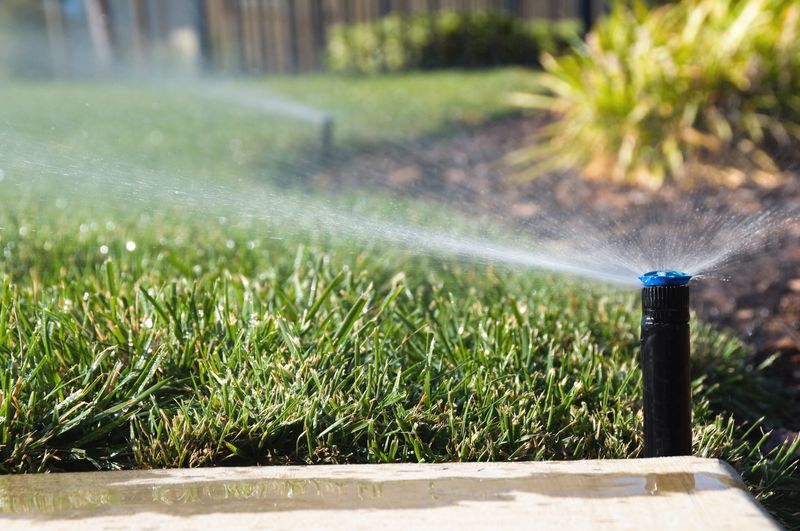
The first heat wave in Greensboro normally strikes before school blurts. If you haven't checked your watering, you spend for it then. Turn on each zone. Change damaged heads, clear clogged nozzles, and change arcs so you water turf, not driveway. Run a catch can check using tuna cans or rain gauges to see how much water each zone delivers in 15 minutes. Aim to deliver roughly an inch of water per week in deep, irregular cycles for turf, changing for rainfall. Beds need less regular but much deeper soaks at the root zone.

Avoid watering at 6 pm in May due to the fact that it's convenient. Warm, damp leaf surfaces in the evening welcome illness. Early morning is best. Add a rain sensing unit if you do not have one. It's a cheap device that conserves water and plants.
Drip watering in beds beats sprays, specifically under shrubs where fungal disease can be an issue. If you install drip, flush the lines before each season to clear particles, then look for rodent chew and open fittings.
Trees: The Greatest Assets Should Have a Spring Check
Mature oaks, maples, and pines frame Greensboro neighborhoods, and they determine what grows beneath. In early spring, stroll your large trees and look for bark divides, fungal conks, dieback, or carpenter ant activity. Over the winter, saturated soils often loosen root plates. If a tree has actually heaved or reveals soil fractures on the windward side, call an arborist. The expense of a speak with is minor compared to storm cleanup.
At the base, pull mulch far from trunks. Root flare ought to show up. If previous installers buried it, you might require a gradual correction over several seasons. Prevent piling soil or compost versus trunks when topdressing beds. Thin roots will become that product, then desiccate in summer.
If you plan to plant under established trees, think in regards to groundcovers and shade-tolerant perennials instead of turf. Sweetspire, oakleaf hydrangea, fall fern, and pachysandra thrive with dappled light and leaf litter. They require less extra water and play nicer with tree roots than a having a hard time spot of fescue.
Pollinators and Birds: Leave Space for Life
Greensboro sits along a hectic corridor for migratory birds, and the city's patchwork of lawns can add genuine habitat if we change spring routines. Resist cutting back every seed head and hollow stem till nights regularly remain above 50. Numerous native bees emerge late. When you do cut, leave a few stems 12 to 18 inches high; cavity nesters will use them.
If you're refreshing a bed, include a few Piedmont natives that love minimal difficulty: black-eyed Susan, mountain mint, little bluestem, and asters like 'Raydon's Favorite'. They bring color into late summertime and early fall when many beds fade. A little water source helps birds and advantageous bugs. A shallow saucer with stones for perches, refreshed daily, is enough.
Edging, Hardscape, and the Appearance of Finished
A clean edge turns chaos into objective. Recut bed lines with a flat spade, three to 4 inches deep, and create a small rack to catch mulch. In heavy rain, that edge decreases washout onto sidewalks. Prevent plastic edging that heaves and shows. Brick or steel edging looks great but can be slippery on slopes; set up level with grade and anchor well.
Check patio areas, paths, and actions for frost heave or raised roots. Reset sunken pavers and add polymeric sand once the surface is dry. If you press wash, go easy. High-pressure jets can etch concrete and chew mortar. A lower setting with a cleaning service often restores surface areas without damage. Let surfaces dry completely before you bring furnishings out, then think about a basic upkeep plan for summer season: a fast sweep weekly, a rinse monthly, and area cleaning as needed.
Planting Calendar and Regional Timing
Greensboro's average last frost falls around mid April, though late cold snaps as late as early May are not unusual. That suggests tomatoes and tender annuals are safer after the Strawberry Moon state of mind passes. For woody shrubs and trees, early spring is fine, however fall is often much better, as soils remain warm and moisture is kinder. If you plant now, dedicate to keeping an eye on wetness through June.
Cool-season veggies like spinach, peas, and lettuce can go in as quickly as the soil is workable. Think about raised beds if your website stays soaked. For herbs, rosemary and thyme overwinter here more often than not, while basil sulks until nights warm. Use frost fabric rather of plastic for cold protection. It breathes and avoids condensation from freezing on leaves.
Budget Top priorities: Where to Invest, Where to Save
You do not have to deal with whatever simultaneously. If the yard requires a reset, start with drainage, then soil health, then plants. Dollars invested extending a downspout or cutting a swale beat the same dollars on brand-new shrubs that drown. A soil test is more affordable than a bag of fertilizer and informs you whether you need that bag at all. Mulch is a good investment, however store by volume and quality. Colored mulches can heat up and shed water if used too thick. A natural hardwood blend from a local yard normally knits into the soil better.
If you work with aid, get price quotes that specify jobs, timing, and products. For instance, "core aeration with a true hollow tine, 2 passes, follow-up topdressing of quarter-inch compost, and a split pre-emergent application proper for Bermuda" is clearer than "spring service." Ask how they handle heavy clay and what they recommend specifically for landscaping in Greensboro, NC, not simply a generic plan obtained from another region.
A Simple Two-Week Spring Tune-up Plan
Use this short checklist to bring order to the rush. It assumes late February to early April timing, and you can adjust based upon weather.
- Walk the website after a rain, mark damp areas, and sketch sun and shade zones. Extend downspouts if needed. Prune summer-blooming shrubs, cut down decorative yards, and clean smothering leaf mats from grass while leaving some environment in beds. Apply pre-emergent to warm-season lawns at forsythia blossom, spot-treat winter weeds, and schedule watering repair work and calibration. Topdress beds with garden compost, revitalize mulch to two to three inches, and re-edge bed lines. Plant perennials and shrubs fit to your mapped light. Test soil, include lime just per outcomes, and strategy fertilizer timing by yard type. Devote to weekly examination and light weeding until development takes off.
Troubleshooting the Typical Greensboro Headaches
Clay compaction around construction zones is widespread. If your home is newer or you recently had hardscape installed, anticipate dead zones where equipment ran. Those spots need aggressive aeration and raw material. In some cases, the smartest short-term relocation is to transform compressed side lawns to a mulched course with stepping stones and shade-tolerant groundcover rather than combating a losing grass battle.
Moles show up where grubs and earthworms are plentiful. Before you declare war, decide if the damage is cosmetic or major. In numerous Greensboro lawns, tunnels are shallow and erratic. Press them flat, water deeply however less frequently, and screen. If activity persists and heaps type, a few well-placed traps surpass repellents.
Crabgrass enjoys sun-baked edges along driveways and pathways, where soil warms early. Even with pre-emergent, you might get developments right at the concrete. Hand-pulling before seed set or a spot application of a post-emergent herbicide in June keeps the infestation from marching much deeper into the lawn.
Azalea lace bug appears reliably on plants in full afternoon sun, triggering stippled leaves and bleached patches. Shift azaleas into part shade or under taller shrubs where possible. If moving isn't an alternative, a horticultural oil spray in early spring targeting the underside of leaves assists manage populations with less collateral impact than broad-spectrum insecticides.
Designing for Greensboro's Summer season: Select Durable Plants
Think beyond spring blossoms. When you plan spring planting, select ranges that hold structure and interest through July and August. For sun, 'Millennium' allium, coneflower, and little bluestem keep kind and color in heat. For part shade, autumn fern, hellebore, and oakleaf hydrangea deal texture without drama. If you long for roses, pick modern shrub types known for disease resistance and provide air movement. In damp swales or rain gardens, sweetspire, Virginia iris, and Joe Pye weed prosper and feed pollinators.
Trees that carry out well in Greensboro's soils and heat consist of willow oak, blackgum, American hornbeam, and Chinese pistache. Red maple prevails, however choose cultivars fit for heat and leaf area resistance. Plant trees with the future in mind: eight feet from driveways, a minimum of ten from structures, and more for huge canopy species.
The Human Element: Upkeep You'll In fact Do
A strategy you won't follow is even worse than no strategy at all. Be practical about your time. If you understand you'll cut weekly but dislike string cutting, style edges where mower wheels can ride a paver border. If you often travel https://www.google.com/maps/search/?api=1&query=Google&query_place_id=ChIJ1weFau0bU4gRWAp8MF_OMCQ in July, choose irrigation automation and plants that tolerate a missed out on cycle. If you take pleasure in playing, a small veggie bed near the kitchen area door will get more care than a huge one at the back fence.
Greensboro's growing season rewards consistency over heroics. Half an hour two times a week in spring beats a six-hour panic day when a month. Keep a plastic bin with hand pruners, a hori-hori knife, gloves, a knee pad, and a little tarp near the back door. On your way to the grill, you'll pluck four weeds and deadhead two perennials without thinking. That practice is the real upkeep schedule.
When to Call a Pro
Some tasks require devices, training, or just a 2nd set of strong hands. Tree threats, drain connected to grading near the foundation, and large-scale hardscape repair work are apparent. Less obvious is yard renovation on compressed clay. A landscaping crew with a core aerator, topdresser, and the right seed can do in four hours what would take a house owner 2 long weekends. If you speak with companies, ask particular questions about experience with landscaping in Greensboro, NC microclimates: how they deal with heavy shade under oaks, when they time pre-emergent on zoysia lawns, and what soil amendments they utilize for brand-new shrub beds. The content of their responses will inform you more than a gallery of ideal photos.
A Spring Lawn That Lasts All Year
Preparing for spring is really about building habits and structure that carry into summertime and fall. Fix water initially, then feed the soil, then choose plants that fit the light and heat they will actually experience, not the light and heat we want we had. Time your yard care to the yard, not the calendar. Keep edges cool, leave room for wildlife, and devote to small, routine touch-ups.
Greensboro's spring is flexible. If you miss a week, the season offers you another shot. If you get the fundamentals right in March and April, July's heat will feel less like a siege and more like the natural rhythm of a Piedmont year. And when that very first flush of Bermuda turns the yard from straw to chartreuse, or the azaleas along the patio spill into blossom, you'll know the peaceful operate in late winter season did its job.
Business Name: Ramirez Landscaping & Lighting LLC
Address: Greensboro, NC
Phone: (336) 900-2727
Website: https://www.ramirezlandl.com/
Email: [email protected]
Hours:
Sunday: Closed
Monday: 8:00 AM–5:00 PM
Tuesday: 8:00 AM–5:00 PM
Wednesday: 8:00 AM–5:00 PM
Thursday: 8:00 AM–5:00 PM
Friday: 8:00 AM–5:00 PM
Saturday: 8:00 AM–5:00 PM
Google Maps: https://www.google.com/maps/search/?api=1&query=Google&query_place_id=ChIJ1weFau0bU4gRWAp8MF_OMCQ
Map Embed (iframe):
Social Profiles:
Facebook
Instagram
Major Listings:
Localo Profile
BBB
Angi
HomeAdvisor
BuildZoom
Ramirez Landscaping & Lighting is a Greensboro, North Carolina landscaping company providing design, installation, and ongoing property care for homes and businesses across the Triad.
Ramirez Landscaping & Lighting offers hardscapes like patios, walkways, retaining walls, and outdoor kitchens to create usable outdoor living space in Greensboro NC and nearby communities.
Ramirez Landscaping & Lighting provides irrigation services including sprinkler installation, repairs, and maintenance to support healthier landscapes and improved water efficiency.
Ramirez Landscaping & Lighting specializes in landscape lighting installation and design to improve curb appeal, safety, and nighttime visibility around your property.
Ramirez Landscaping & Lighting serves Greensboro, Oak Ridge, High Point, Brown Summit, Winston Salem, Stokesdale, Summerfield, Jamestown, and Burlington for landscaping projects of many sizes.
Ramirez Landscaping & Lighting can be reached at (336) 900-2727 for estimates and scheduling, and additional details are available via Google Maps.
Ramirez Landscaping & Lighting supports clients with seasonal services like yard cleanups, mulch, sod installation, lawn care, drainage solutions, and artificial turf to keep landscapes looking their best year-round.
Ramirez Landscaping & Lighting is based at 2700 Wildwood Dr, Greensboro, NC 27407-3648 and can be contacted at [email protected] for quotes and questions.
Popular Questions About Ramirez Landscaping & Lighting
What services does Ramirez Landscaping & Lighting provide in Greensboro?
Ramirez Landscaping & Lighting provides landscaping design, installation, and maintenance, plus hardscapes, irrigation services, and landscape lighting for residential and commercial properties in the Greensboro area.
Do you offer free estimates for landscaping projects?
Ramirez Landscaping & Lighting notes that free, no-obligation estimates are available, typically starting with an on-site visit to understand goals, measurements, and scope.
Which Triad areas do you serve besides Greensboro?
Ramirez Landscaping & Lighting serves Greensboro and surrounding Triad communities such as Oak Ridge, High Point, Brown Summit, Winston Salem, Stokesdale, Summerfield, Jamestown, and Burlington.
Can you help with drainage and grading problems in local clay soil?
Yes. Ramirez Landscaping & Lighting highlights solutions that may address common Greensboro-area issues like drainage, compacted soil, and erosion, often pairing grading with landscape and hardscape planning.
Do you install patios, walkways, retaining walls, and other hardscapes?
Ramirez Landscaping & Lighting offers hardscape services that commonly include patios, walkways, retaining walls, steps, and other outdoor living features based on the property’s layout and goals.
Do you handle irrigation installation and repairs?
Ramirez Landscaping & Lighting offers irrigation services that may include sprinkler or drip systems, repairs, and maintenance to help keep landscapes healthier and reduce waste.
What are your business hours?
Ramirez Landscaping & Lighting lists hours as Monday through Saturday from 8:00 AM to 5:00 PM, and closed on Sunday. For holiday or weather-related changes, it’s best to call first.
How do I contact Ramirez Landscaping & Lighting for a quote?
Call (336) 900-2727 or email [email protected]. Website: https://www.ramirezlandl.com/.
Social: Facebook and Instagram.
Ramirez Landscaping is honored to serve the Greensboro, NC area and provides trusted landscape lighting solutions for residential and commercial properties.
Need outdoor services in Greensboro, NC, call Ramirez Landscaping & Lighting near Greensboro Arboretum.